
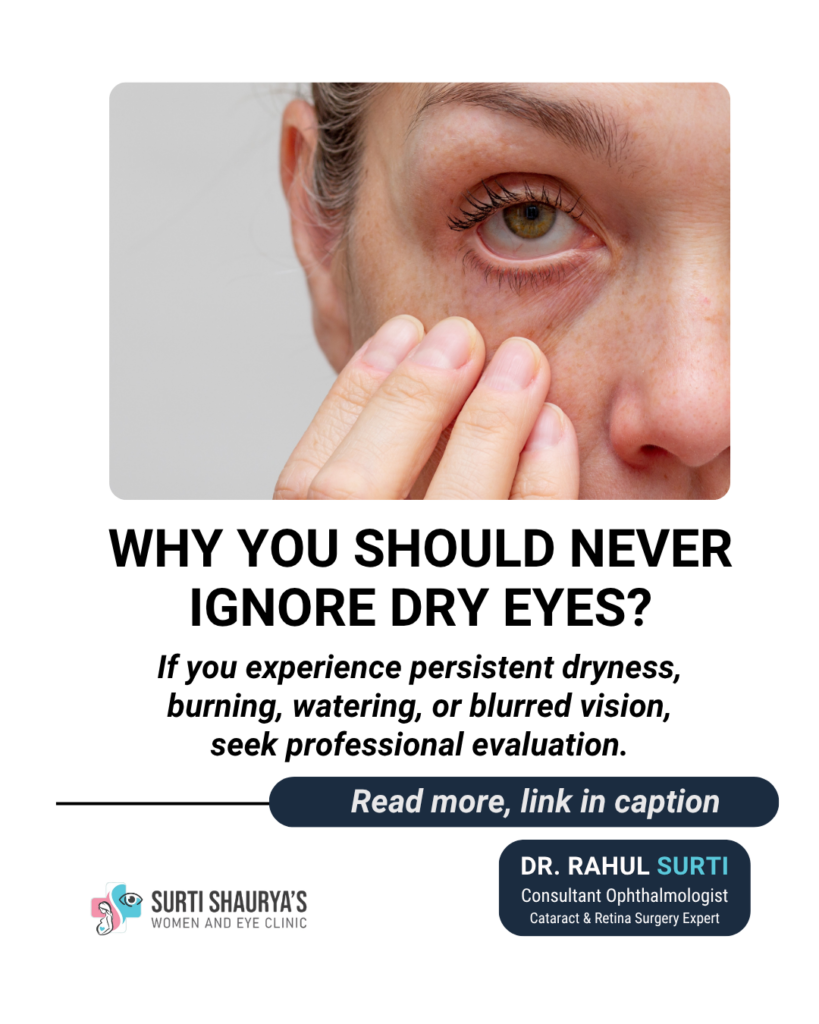
Dry Eye Disease (DED), commonly known as Dry Eye Syndrome, is one of the most frequently diagnosed eye conditions today. Increased screen time, prolonged exposure to air conditioning, pollution, aging, and certain medical conditions have made dry eyes increasingly common, especially in urban cities like Mumbai. While many people ignore symptoms such as burning, irritation, watering, and blurred vision, untreated dry eyes can lead to infections, corneal damage, and vision problems.
This article explains the causes, symptoms, risks, prevention strategies, and the latest dry eye treatment options available to help patients maintain healthy, comfortable vision.
Dry Eye Disease occurs when your eyes do not produce enough tears or when the tears evaporate too quickly. Tears are essential for maintaining the health of the eye surface and providing clear vision.
A healthy tear film consists of three layers:
- Oily Layer
Produced by glands in the eyelids, this layer prevents rapid evaporation of tears.
- Aqueous (Water) Layer
Provides moisture, oxygen, and nutrients to the eye surface.
- Mucin (Protein) Layer
Helps tears spread evenly across the eye surface.
Any imbalance in these layers can result in Dry Eye Syndrome.
Tears do much more than keep the eyes wet.
They help:
- Maintain clear vision
- Lubricate the eye surface
- Protect against infections
- Wash away dust and debris
- Provide oxygen and nutrients to the cornea
- Improve comfort during reading and screen use
When tear quality or quantity decreases, the eyes become vulnerable to irritation, inflammation, and infection.
- Air Conditioning Exposure
One of the most common causes of dry eyes in modern lifestyles is prolonged exposure to air-conditioned environments.
Air conditioners reduce humidity levels, causing tears to evaporate faster. Spending long hours in offices, cars, or homes with air conditioning can significantly worsen dry eye symptoms.
- Excessive Screen Time
Digital devices such as:
- Mobile phones
- Laptops
- Computers
- Tablets
- Television screens
reduce the natural blinking rate.
This condition, often called Computer Vision Syndrome, causes rapid tear evaporation and eye fatigue.
- Aging and Hormonal Changes
Dry eyes become more common with age.
Women, especially after menopause, are at a higher risk due to hormonal changes affecting tear production.
- Medical Conditions
Several systemic diseases can contribute to dry eyes:
- Diabetes
- Thyroid disorders
- Rheumatoid arthritis
- Sjögren’s Syndrome
- Lupus
- Collagen vascular diseases
- Vitamin A deficiency
- Medications
Certain medications may reduce tear production, including:
- Antihistamines
- Antidepressants
- Blood pressure medications
- Decongestants
- Hormonal therapies
- Environmental Pollution
People living in highly polluted cities such as Mumbai are more prone to developing dry eyes due to continuous exposure to dust, smoke, and airborne pollutants.
- Contact Lens Use
Long-term contact lens wear can interfere with tear film stability and increase dryness, discomfort, and irritation.
- Previous Eye Surgery
Patients who have undergone:
- LASIK
- Cataract surgery
- Corneal procedures
may experience temporary dry eye symptoms during recovery.
Symptoms may vary from mild irritation to severe discomfort.
Common symptoms include:
- Burning sensation
- Eye dryness
- Grittiness or foreign body sensation
- Redness
- Itching
- Eye fatigue
- Heaviness of eyes
- Excessive watering
- Sensitivity to light
- Blurred or fluctuating vision
- Difficulty reading for long periods
- Eye strain during computer work
Many patients are surprised to learn that excessive watering can actually be a sign of dry eyes.
Many people consider dry eyes a minor inconvenience.
However, untreated dry eye disease can cause:
Chronic Inflammation
Persistent dryness can lead to inflammation of the eye surface.
Increased Risk of Eye Infections
Tears contain natural antimicrobial substances that protect the eyes from bacteria and viruses.
Corneal Abrasions
Lack of lubrication may damage the corneal surface.
Corneal Ulcers
Severe dry eye disease can result in painful ulcers that threaten vision.
Permanent Vision Problems
Advanced untreated cases may cause scarring and visual impairment.
Early diagnosis and dry eye treatment can prevent these complications.
At Dr. Rahul Surti’s eye clinic in Sion, Mumbai, a comprehensive eye evaluation helps determine the cause and severity of dry eye disease.
Diagnostic tests may include:
- Tear film assessment
- Schirmer’s test
- Tear break-up time (TBUT)
- Meibomian gland evaluation
- Corneal surface examination
- Dry eye questionnaires
Accurate diagnosis helps create a personalized treatment plan.
The best dry eye treatment depends on the underlying cause.
- Artificial Tears and Lubricating Eye Drops
Lubricating drops are often the first line of treatment.
Benefits include:
- Improved eye comfort
- Reduced irritation
- Better moisture retention
- Enhanced visual quality
Preservative-free drops are often recommended for frequent use.
- Prescription Eye Drops
For patients with inflammation-related dry eye disease, prescription medications may be advised.
These may help:
- Reduce inflammation
- Improve tear production
- Protect the eye surface
Treatment should always be supervised by an ophthalmologist.
- Eyelid Hygiene and Eyelid Washes
Patients with blepharitis or meibomian gland dysfunction may benefit from:
- Warm compresses
- Eyelid cleaning solutions
- Lid massage techniques
These treatments improve the quality of the oily tear layer.
- Eye Ointments
Lubricating ointments provide prolonged moisture and are particularly useful at bedtime.
- Advanced Dry Eye Therapies
Depending on severity, advanced treatments may include:
- Meibomian gland treatment
- Intense Pulsed Light (IPL) therapy
- Thermal pulsation therapy
- Autologous serum eye drops
These options are generally considered when conventional treatments are insufficient.
Simple lifestyle modifications can significantly improve symptoms.
Maintain Indoor Humidity
Keep indoor humidity levels adequate and avoid excessive air conditioning.
Stay Hydrated
Drink sufficient water throughout the day.
Follow the 20-20-20 Rule
Every 20 minutes, look at an object 20 feet away for 20 seconds.
Blink Frequently
Conscious blinking helps distribute tears evenly across the eye surface.
Wear Protective Eyewear
Sunglasses help reduce exposure to wind, dust, and pollution.
Get Adequate Sleep
Aim for 7–8 hours of quality sleep daily.
Consume a Balanced Diet
Foods rich in:
- Omega-3 fatty acids
- Vitamin A
- Antioxidants
can support eye health.
Consult an ophthalmologist if you experience:
- Persistent burning or irritation
- Frequent watering
- Blurred vision
- Difficulty wearing contact lenses
- Redness lasting more than a few days
- Eye discomfort affecting work or daily activities
Early intervention can prevent long-term complications.
1. What is the best dry eye treatment?
The best treatment depends on the cause and severity of the condition. Options may include lubricating eye drops, prescription medications, eyelid hygiene, punctal plugs, and advanced therapies.
2. Can dry eyes go away on their own?
Mild temporary dryness may improve with rest and lifestyle changes. However, chronic dry eye disease typically requires professional evaluation and treatment.
3. Why do my eyes water if I have dry eyes?
Excessive watering is often a reflex response to dryness. The eyes produce excess tears to compensate for inadequate lubrication.
4. Does screen time worsen dry eyes?
Yes. Digital screen use reduces blinking frequency, leading to faster tear evaporation and worsening dry eye symptoms.
5. Can contact lenses cause dry eyes?
Long-term contact lens wear can contribute to dry eye symptoms by affecting tear film stability.
6. Is dry eye disease permanent?
Many cases can be effectively managed with appropriate treatment and lifestyle modifications, although some patients require long-term care.
7. Are dry eyes common after LASIK surgery?
Temporary dry eye symptoms are common after LASIK and usually improve during recovery.
8. Can dry eyes affect vision?
Yes. Severe dry eye disease can cause fluctuating or blurred vision and may damage the cornea if left untreated.
Dry Eye Disease is more than just occasional discomfort. Modern lifestyles involving prolonged screen exposure, air-conditioned environments, and urban pollution have made dry eyes increasingly common. Ignoring symptoms can lead to chronic inflammation, infections, corneal damage, and even vision loss.
If you experience persistent dryness, burning, watering, or blurred vision, seek professional evaluation. With accurate diagnosis and timely dry eye treatment, most patients can achieve significant relief and maintain healthy vision.
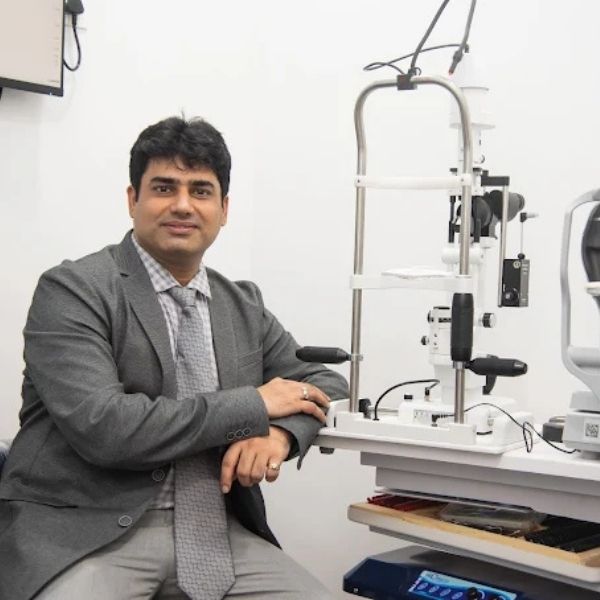
For expert diagnosis and personalized dry eye treatment in Mumbai, consult Dr. Rahul Surti, Ophthalmologist and Eye Surgeon in Sion.
MBBS, MS (Ophthalmology)
FVRS (Fellowship in Vitreo Retinal Surgery)
Advanced Eye Surgeon for Cataract & Retina
Dr. Rahul K. Surti is an experienced eye specialist with expertise in cataract and retina surgeries. He focuses on advanced diagnostic and surgical care to help patients restore clear, healthy vision and
improve their quality of life.
Welcome to Surti Shaurya’s Women & Eye Clinic, a trusted destination in Sion West, Mumbai, for specialized cataract, retina issues, advanced eye surgeries and gynecology, pregnancy care, infertility treatments. Led by Dr Rahul Surti and Dr. Ami R. Surti, the clinic offers compassionate, expert-led care for people of Mumbai.
Contact Details:
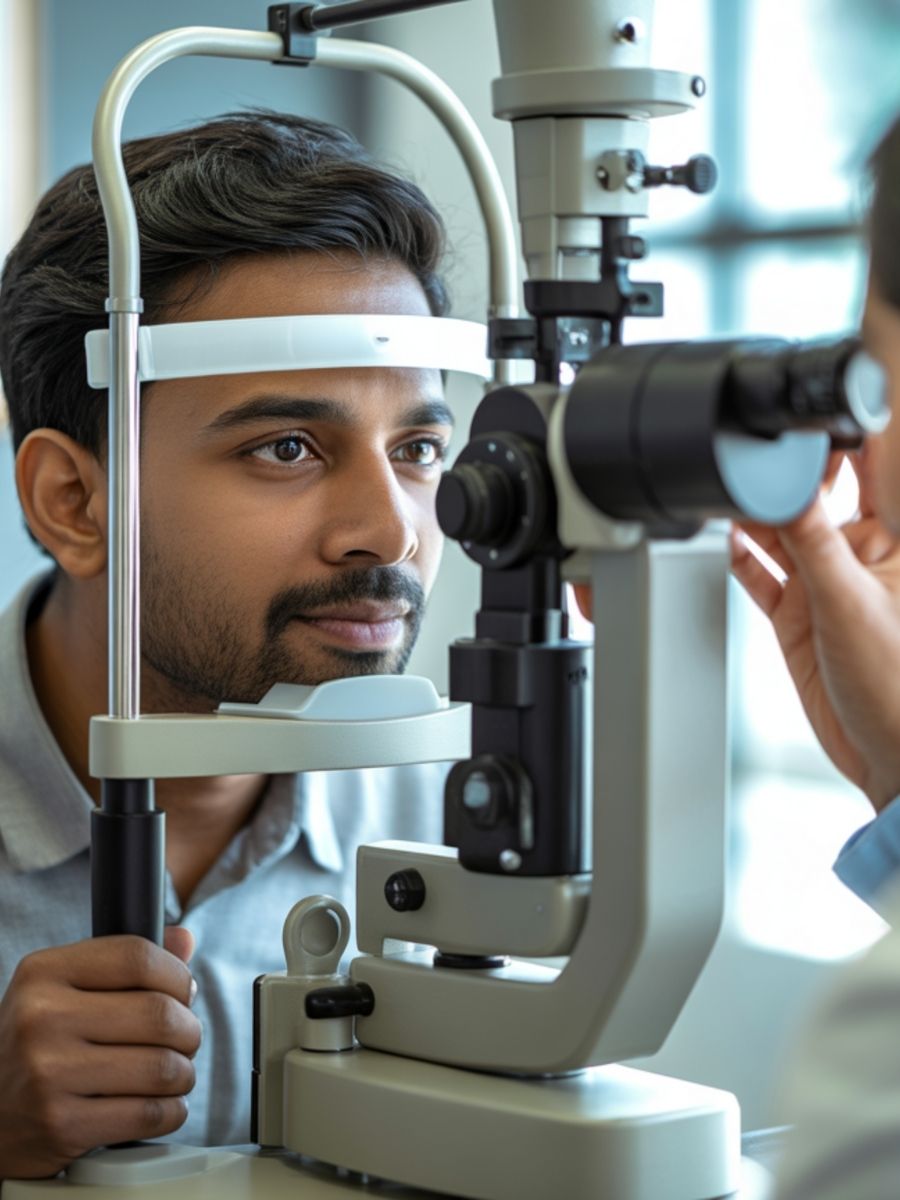
Dr. Rahul Surti offers comprehensive eye care under one roof — from routine check-ups to advanced eye surgeries — ensuring clear, healthy vision for every age.
- Eye Check-Up: Complete vision assessment, refraction test, eye pressure check, and retina evaluation for early detection of eye problems.
- Cataract Treatment: Stitch-less, microincision cataract surgery with advanced foldable and premium IOL options for faster recovery and sharper vision.
- Retina Services: Expert diagnosis and treatment for diabetic retinopathy, macular degeneration, and retinal detachment using advanced laser and imaging technology.
- Advanced Eye Surgeries: Glaucoma, cornea, squint, oculoplasty, and LASIK surgeries performed with precision and the latest microsurgical techniques.
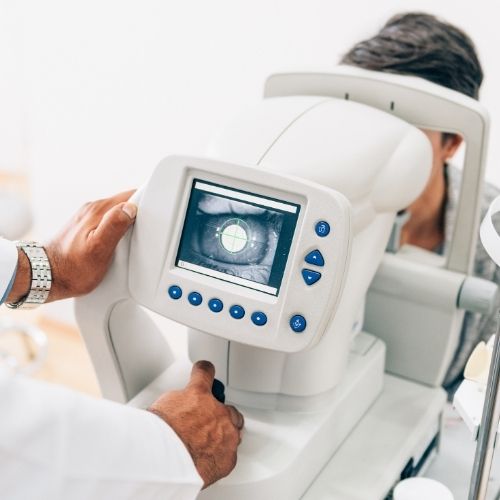
- Computerized Eye Check-Up
- Phaco-emulsification Cataract Surgery
- Sutureless Cataract Surgery
- Refraction
- Contact Lens Clinic
- Squint Evaluation
- Diabetic Retinopathy Check-up
- Retinal Evaluation For Myopia / Retinal Detachment
- Laser Surgeries
- Endoscopic: Sac Surgeries (no Stitch DCR) Lazer Sac Surgery
- Oculoplastry