
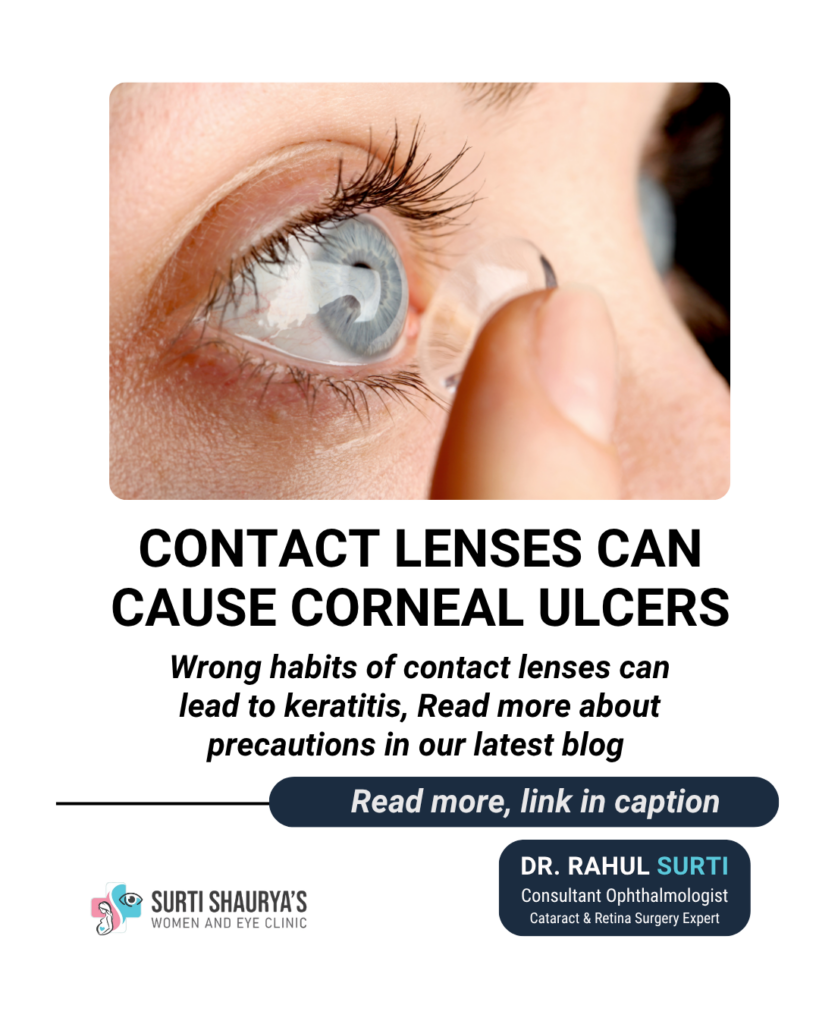
A painful red eye should never be ignored. While many people assume redness is caused by allergies or conjunctivitis, it can sometimes indicate a serious condition known as a corneal ulcer (keratitis). Without timely treatment, a corneal ulcer can rapidly damage vision and, in severe cases, lead to permanent blindness.
At Surti Shaurya Clinic, Sion, Mumbai, Dr. Rahul Surti provides comprehensive diagnosis and advanced treatment for corneal ulcers and keratitis. Using modern diagnostic equipment and evidence-based treatment protocols, our goal is to eliminate infection, preserve vision, and prevent long-term complications.
Whether your symptoms started after contact lens use, an eye injury, or an infection, early evaluation is essential.
A corneal ulcer is an open sore or erosion on the cornea—the transparent front surface of the eye responsible for focusing light. The condition develops when the cornea becomes inflamed due to infection, trauma, severe dryness, or other underlying eye disorders.
Keratitis refers to inflammation of the cornea. When this inflammation causes damage to the corneal surface, an ulcer forms.
Because the cornea is responsible for clear vision, even a small ulcer can significantly affect eyesight if left untreated.
Common symptoms include:
- Severe eye pain
• Redness of the eye
• Excessive watering
• Blurred or reduced vision
• White or grey spot on the cornea
• Foreign body or gritty sensation
• Burning or itching
• Sensitivity to light (photophobia)
• Eye discharge
• Difficulty keeping the eye open
If you experience sudden pain with redness and blurred vision, consult an eye specialist immediately.
Several factors can damage the cornea and increase the risk of infection.
Contact Lens Related Causes
Poor contact lens hygiene remains one of the leading causes.
Risk factors include:
- Sleeping while wearing contact lenses
- Using contaminated lens solution
- Wearing lenses beyond the recommended duration
- Cleaning lenses with tap water
- Swimming while wearing contact lenses
- Reusing disposable lenses
Reduced oxygen supply beneath contact lenses also makes the cornea more vulnerable to infection.
Eye Injuries
Minor injuries can create an entry point for bacteria or fungi.
Examples include:
- Fingernail scratches
- Paper cuts
- Makeup brush injuries
- Tree branches
- Sugarcane leaves
- Dust or metal particles
- Chemical burns
- Thermal burns
- Animal tail injuries
- Insect stings
Following Eye Surgery
Sometimes delayed healing or loose sutures after eye surgery may lead to infection and ulcer formation.
Eyelid Problems
Conditions affecting eyelid movement may continuously damage the cornea.
These include:
- Inward turning eyelids
- Outward turning eyelids
- Misdirected eyelashes
- Incomplete eyelid closure
Dry Eye Disease
Persistent dryness weakens the protective surface of the eye.
Dry eyes may occur due to:
- Diabetes
- Thyroid disorders
- Rheumatoid arthritis
- Sjögren syndrome
- Vitamin A deficiency
- Stevens-Johnson syndrome
Other Causes
- Allergic conjunctivitis
- Long-term steroid eye drop use
- Reduced corneal sensation
- Bell’s palsy
- Poorly controlled diabetes
You may have a higher chance of developing keratitis if you:
- Wear contact lenses regularly
- Have diabetes
- Have dry eye disease
- Have eyelid abnormalities
- Use steroid eye drops without medical supervision
- Have suffered eye trauma
- Have a history of cold sores or shingles
- Have vitamin A deficiency
Different microorganisms require different treatment approaches.
Bacterial Keratitis
Often develops after small scratches or prolonged contact lens wear.
Common symptoms include:
- Rapid onset pain
- Thick discharge
- Dense corneal infiltrate
- Vision reduction
Fungal Keratitis
Frequently occurs after injury involving plant material such as tree branches or sugarcane.
It is more common in tropical climates and often progresses slowly.
Viral Keratitis
Usually caused by herpes simplex virus or herpes zoster virus.
Repeated episodes can permanently damage the cornea.
Parasitic Keratitis
A rare but severe infection commonly associated with contaminated water exposure while wearing contact lenses.
It often causes severe pain that appears disproportionate to examination findings.
Accurate diagnosis is essential because treatment depends on identifying the exact cause.
At Surti Shaurya Clinic, evaluation may include:
- Detailed eye examination using slit-lamp microscopy
- Fluorescein staining to identify the ulcer
- Measurement of ulcer size and depth
- Examination for corneal perforation
- Assessment of inflammation inside the eye
If infection is suspected, corneal scraping may be performed under topical anesthesia.
The collected sample is sent for:
- Microscopy
- Culture
- Sensitivity testing
Additional investigations may include:
- Contact lens culture
- Blood sugar testing
- Eye ultrasound when required
Treatment depends on the organism causing the infection and the severity of the ulcer.
Early treatment greatly improves the chances of preserving vision.
Medical Treatment
Depending on laboratory findings, treatment may include:
- Antibiotic eye drops
- Antifungal medications
- Antiviral medications
- Oral medicines
- Pain-relieving medications
- Cycloplegic eye drops
- Artificial tears
- Anti-glaucoma medications when required
For severe infections, fortified antibiotic eye drops may be specially prepared to provide higher drug concentrations.
Steroid eye drops should never be used without an ophthalmologist’s advice, especially in fungal keratitis.
Treatment for Small Corneal Perforations
If the ulcer causes a tiny perforation, treatment may involve:
- Tissue adhesive (medical glue)
- Bandage contact lens
- Close follow-up
Surgical Treatment
Some ulcers require surgery if they fail to heal.
Options include:
Amniotic Membrane Transplant
This biological graft promotes healing and restores the damaged corneal surface.
Patch Graft
Used for small corneal perforations to preserve the eye.
Eyelid Correction Surgery
Performed if eyelid abnormalities are contributing to repeated corneal damage.
Corneal Transplant
Severely scarred or perforated corneas may require replacement with healthy donor tissue.
Many corneal ulcers are preventable.
Follow these precautions:
- Never sleep wearing contact lenses
- Wash hands before handling lenses
- Use only recommended lens solutions
- Avoid tap water for cleaning lenses
- Replace lenses as advised
- Wear protective eyewear during work
- Avoid rubbing your eyes
- Use lubricating eye drops if you have dry eyes
- Never self-medicate with steroid eye drops
Seek medical attention after any eye injury
Consult an ophthalmologist immediately if you develop:
- Sudden eye pain
- Persistent redness
- Blurred vision
- White spot on the eye
- Light sensitivity
- Eye discharge
- Injury to the eye
- Contact lens-related redness
Early treatment can prevent permanent vision loss.
Is a corneal ulcer an emergency?
Yes. A corneal ulcer is considered an eye emergency because delayed treatment can permanently affect vision.
Can a corneal ulcer heal completely?
Many corneal ulcers heal completely if diagnosed and treated early. Severe ulcers may leave corneal scars that affect vision.
Is keratitis contagious?
Most bacterial and fungal keratitis are not contagious. Viral keratitis caused by herpes viruses may spread under certain circumstances.
Can I wear contact lenses during treatment?
No. Contact lenses should not be worn until your ophthalmologist confirms complete healing.
How long does treatment take?
Small ulcers may heal within one to two weeks. Larger or fungal ulcers may require several weeks or even months of treatment.
Will I need surgery?
Most patients improve with medications. Surgery is reserved for non-healing ulcers, perforations, or severe corneal scarring.
Can diabetes increase the risk of corneal ulcers?
Yes. Diabetes delays wound healing and increases the risk of infection, making prompt treatment especially important.
Can corneal ulcers cause blindness?
Untreated corneal ulcers can lead to permanent vision loss, corneal perforation, or blindness. Early diagnosis and appropriate treatment significantly reduce these risks.
A corneal ulcer (keratitis) is a serious eye condition that requires immediate medical attention. Symptoms such as redness, pain, blurred vision, discharge, or a white spot on the eye should never be ignored. With timely diagnosis and expert treatment, most patients recover well while preserving their vision.
If you are searching for expert corneal ulcer treatment in Mumbai, consult Dr. Rahul Surti at Surti Shaurya Clinic for comprehensive evaluation and personalized care. Early treatment can make the difference between complete recovery and permanent vision loss.
MBBS, MS (Ophthalmology)
FVRS (Fellowship in Vitreo Retinal Surgery)
Advanced Eye Surgeon for Cataract & Retina
Dr. Rahul K. Surti is an experienced eye specialist with expertise in cataract and retina surgeries. He focuses on advanced diagnostic and surgical care to help patients restore clear, healthy vision and
improve their quality of life.
Welcome to Surti Shaurya’s Women & Eye Clinic, a trusted destination in Sion West, Mumbai, for specialized cataract, retina issues, advanced eye surgeries and gynecology, pregnancy care, infertility treatments. Led by Dr Rahul Surti and Dr. Ami R. Surti, the clinic offers compassionate, expert-led care for people of Mumbai.
Contact Details:
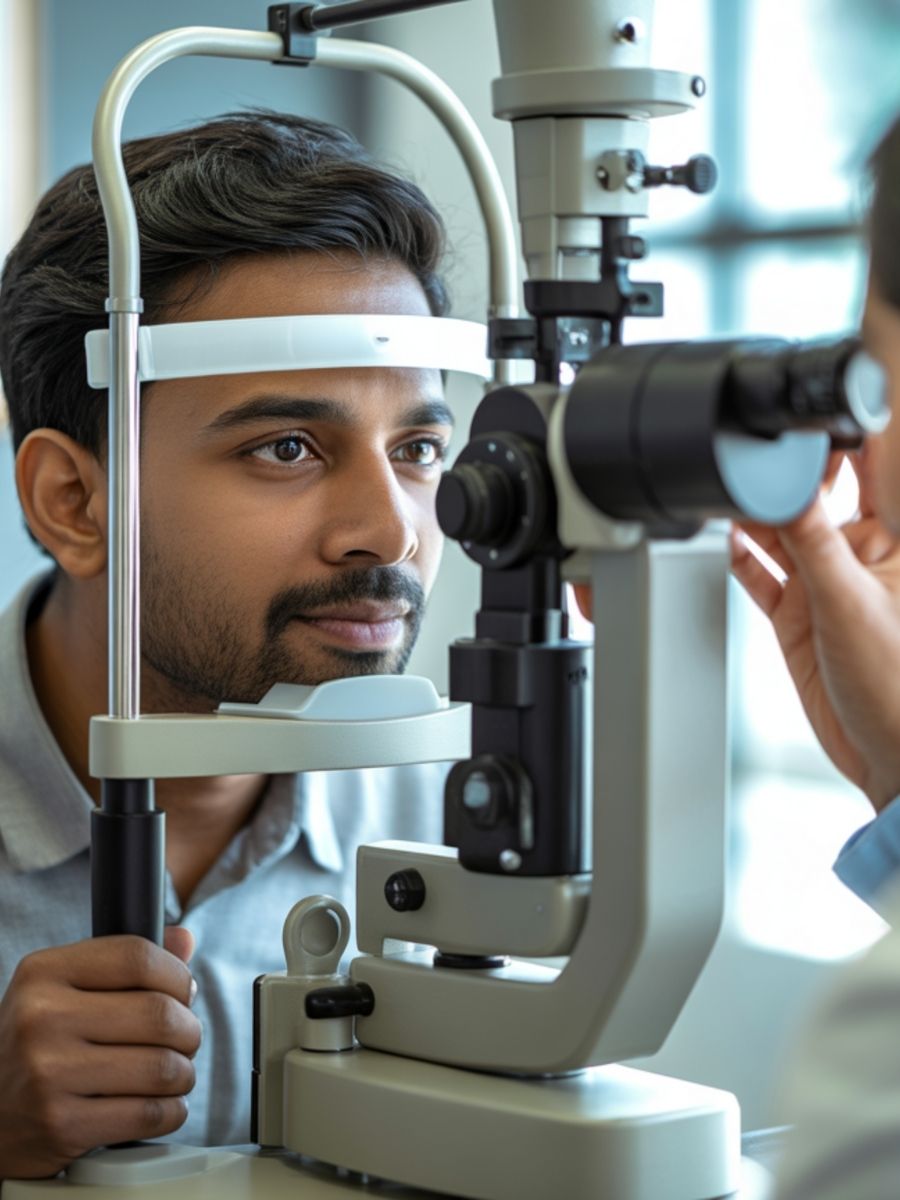
Dr. Rahul Surti offers comprehensive eye care under one roof — from routine check-ups to advanced eye surgeries — ensuring clear, healthy vision for every age.
- Eye Check-Up: Complete vision assessment, refraction test, eye pressure check, and retina evaluation for early detection of eye problems.
- Cataract Treatment: Stitch-less, microincision cataract surgery with advanced foldable and premium IOL options for faster recovery and sharper vision.
- Retina Services: Expert diagnosis and treatment for diabetic retinopathy, macular degeneration, and retinal detachment using advanced laser and imaging technology.
- Advanced Eye Surgeries: Glaucoma, cornea, squint, oculoplasty, and LASIK surgeries performed with precision and the latest microsurgical techniques.
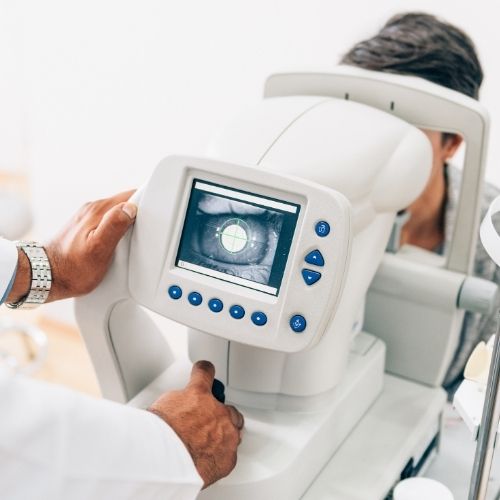

- Computerized Eye Check-Up
- Phaco-emulsification Cataract Surgery
- Sutureless Cataract Surgery
- Refraction
- Contact Lens Clinic
- Squint Evaluation
- Diabetic Retinopathy Check-up
- Retinal Evaluation For Myopia / Retinal Detachment
- Laser Surgeries
- Endoscopic: Sac Surgeries (no Stitch DCR) Lazer Sac Surgery
- Oculoplastry