
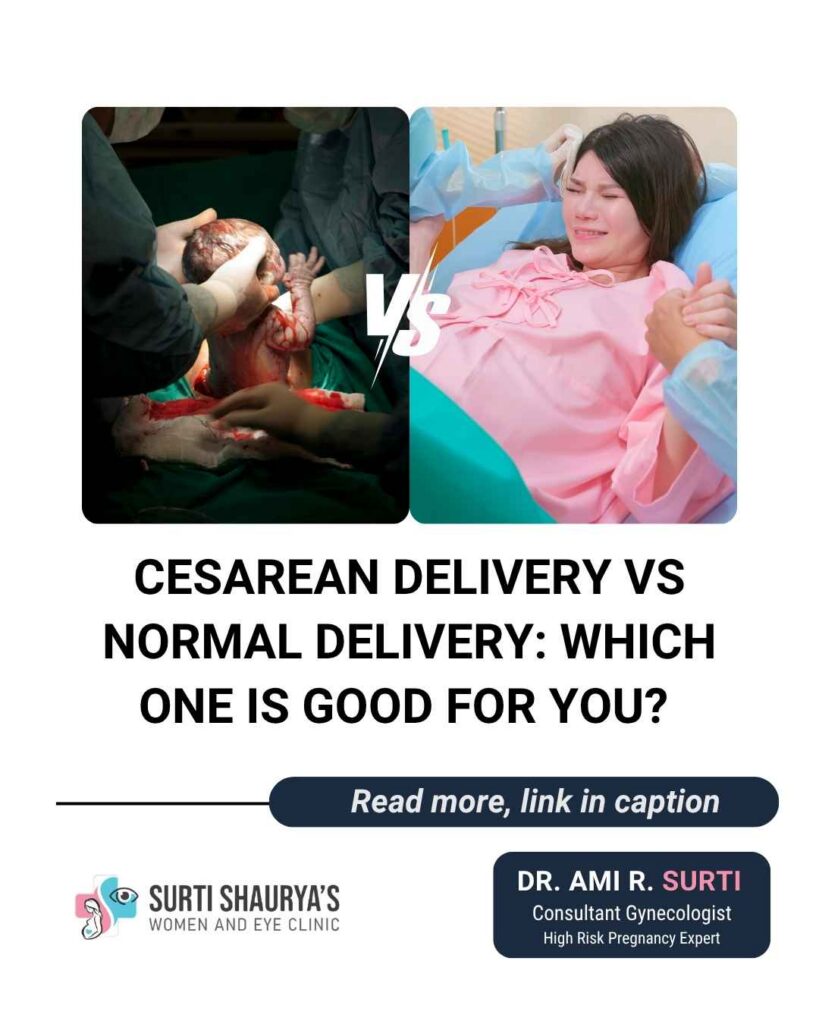
If you are searching for information about cesarean delivery in Mumbai, the most important thing to remember is that the goal should not simply be a “normal delivery” or a “C-section.” The goal is a safe delivery for both mother and baby.
Dr. Ami R. Surti, Obstetrician & Gynecologist in Sion, Mumbai, provides pregnancy care including normal vaginal delivery, painless delivery and cesarean section, with particular experience in high-risk pregnancy management.
As an obstetrician managing hundreds of deliveries every year, I advise all expectant mothers to keep their maternity hospital bag ready at least two weeks before their expected delivery date.
This detailed checklist will help ensure that you have everything you need for a comfortable hospital stay and a smooth transition into motherhood.
A normal delivery, also called vaginal delivery, occurs when the baby is delivered through the vagina after labour.
A cesarean delivery, commonly called a C-section, is a surgical procedure in which the baby is delivered through an incision made in the mother’s abdomen and uterus.
Neither method should automatically be considered “good” or “bad.” Both are established methods of childbirth, and both can result in a healthy mother and baby when appropriately chosen.
The important question is:
“Which method is safest for this particular pregnancy?”
When a vaginal delivery is medically appropriate, it generally avoids major abdominal surgery.
Some potential advantages include:
- Generally shorter recovery compared with cesarean delivery
- No abdominal surgical incision
- Lower risk of complications associated with major surgery
- Usually a shorter hospital stay
- Earlier return to normal physical activities
- Avoiding some risks associated with repeated cesarean surgeries
Recovery after vaginal birth is generally faster than after cesarean birth.
However, a vaginal delivery can still involve pain, perineal tears, assisted delivery with instruments, prolonged labour or an emergency cesarean if labour does not progress safely.
Therefore, “normal delivery” does not mean “risk-free delivery.”
A C-section may be planned in advance or may become necessary during labour.
According to the American College of Obstetricians and Gynecologists (ACOG), common reasons for cesarean delivery include:
- Baby being in a breech or abnormal position
- Placental problems such as placenta previa
- Signs that the baby is not tolerating labour
- Labour that is not progressing
- Certain multiple pregnancies
- Some medical conditions affecting the mother
- Certain previous uterine surgeries
- Other situations where vaginal birth may pose a significant risk to the mother or baby
In these situations, a cesarean is not a failure of normal delivery. It is a medical intervention intended to make childbirth safer.
Not every C-section is an emergency.
Planned cesarean
A planned C-section may be recommended when there is a known reason that makes vaginal delivery less suitable or potentially unsafe.
For example, certain placenta-related conditions, some fetal positions, or specific maternal or fetal medical conditions may make a planned cesarean the safer option.
Emergency or unplanned cesarean
Sometimes a woman begins labour expecting a vaginal birth, but circumstances change.
For example:
- The baby’s heart rate becomes concerning
- Labour stops progressing
- The baby does not descend adequately
- There is significant bleeding
- Another unexpected complication develops
In such circumstances, changing the delivery plan to a cesarean can be necessary to protect the mother or baby.
This is why having a birth plan is helpful, but being prepared for changes is equally important.
Modern cesarean delivery is a commonly performed surgical procedure and can be lifesaving when medically indicated.
However, it is still major abdominal surgery.
Potential complications can include:
- Infection
- Bleeding
- Blood clots
- Reactions to anesthesia
- Injury to nearby organs, although uncommon
- Longer recovery
- Postoperative pain
- Longer hospital stay in many cases
Cesarean delivery can also have implications for future pregnancies. Repeated C-sections can increase the risk of certain placenta-related complications and other surgical complications.
This does not mean that women should fear a C-section. It means that the decision should be made after considering the benefits and risks for the individual mother and baby.
Not necessarily.
Some women who have previously undergone a cesarean may be candidates for vaginal birth after cesarean, commonly called VBAC.
Whether VBAC is appropriate depends on several factors, including the type of uterine incision from the previous surgery, the number of previous cesareans, the current pregnancy and the availability of appropriate emergency care at the hospital.
Therefore, having one previous C-section does not automatically mean that every future pregnancy must end in another C-section.
Your obstetrician should assess your individual situation before recommending VBAC or a repeat cesarean.
Mumbai has a wide range of maternity hospitals and obstetric care facilities. When choosing where to deliver, women often focus heavily on the hospital, room category or delivery package.
These are important, but they should not be the only considerations.
If you are planning cesarean delivery in Mumbai, consider:
- The experience of your obstetrician
Choose an obstetrician who can manage both routine and high-risk pregnancies and who will explain why a particular delivery method is recommended.
- Emergency support
Even if you are planning a vaginal birth, labour can sometimes change unexpectedly. The hospital should have appropriate emergency obstetric, anesthesia, neonatal and surgical support.
- Your pregnancy risk factors
Conditions such as high blood pressure, gestational diabetes, thyroid disorders, multiple pregnancy, placenta problems, previous cesarean delivery and other complications may affect delivery planning.
Dr. Ami R. Surti’s pregnancy-care practice in Sion, Mumbai, includes management of high-risk pregnancies such as those involving gestational diabetes, hypertension, previous cesarean delivery, twin pregnancy, advanced maternal age, placenta previa and IVF pregnancies.
- Your previous delivery history
If you have previously had a C-section, discuss your options early in pregnancy rather than waiting until the final weeks.
- Pain-management options
Fear of labour pain is common.
A woman does not necessarily have to choose between an unmedicated vaginal birth and a C-section simply because she is worried about pain. Depending on the pregnancy and hospital facilities, pain-management options such as epidural analgesia may be discussed with the obstetrician and anesthesia team.
Dr. Ami R. Surti’s clinic lists painless delivery among its available maternity services.
Myth 1: “Normal delivery is always better.”
Not necessarily.
If vaginal delivery is medically safe, it has important advantages because it avoids major abdominal surgery. But when a C-section is medically indicated, cesarean delivery may be the safer choice.
Myth 2: “A C-section means the mother has failed.”
Absolutely not.
A cesarean is a method of delivering a baby. In many situations, it is performed because continuing with vaginal delivery could increase risk to the mother or baby.
Myth 3: “A big baby always requires a C-section.”
Not always.
Estimated fetal weight is only one factor considered when planning delivery. Your obstetrician will consider the overall clinical picture rather than relying on a single ultrasound measurement.
Myth 4: “If I have had one C-section, I can never have a vaginal delivery.”
Not necessarily.
Some women may be candidates for VBAC, depending on their previous surgery and current pregnancy.
Myth 5: “A planned C-section is always safer than labour.”
Not automatically.
Cesarean delivery has surgical risks, while vaginal birth has its own potential complications. The safest option depends on the individual pregnancy.
No doctor can guarantee a normal delivery, but appropriate antenatal care can help you prepare for labour.
Depending on your pregnancy, your obstetrician may advise:
- Regular antenatal check-ups
- Appropriate weight gain
- Balanced nutrition
- Physical activity suitable for pregnancy
- Monitoring blood pressure and blood sugar
- Tracking fetal growth
- Understanding the baby’s position toward the end of pregnancy
- Discussing labour and pain-management options
- Attending childbirth education sessions
- Having a hospital and emergency-care plan
Regular antenatal care helps identify potential complications early and allows the delivery plan to be modified when necessary. Dr. Ami R. Surti’s pregnancy-care program includes routine monitoring, investigations, fetal growth assessment, nutritional guidance, exercise advice and preparation for childbirth.
Instead of asking only, “Can I have a normal delivery?”, ask more specific questions:
- Is vaginal delivery safe for me?
- Is there any medical reason I may need a C-section?
- What is my baby’s current position?
- Are there any concerns about the placenta?
- How is my baby’s growth?
- If I have had a previous C-section, could VBAC be an option?
- What pain-relief options are available?
- What happens if labour does not progress?
- Under what circumstances would you recommend an emergency C-section?
- Does the hospital have 24-hour emergency, anesthesia and neonatal support?
These questions can help you make an informed decision instead of relying on advice from friends, family members or social media.
There is no universal answer.
If a woman has an uncomplicated pregnancy and vaginal delivery is considered safe, vaginal birth can offer the advantages of avoiding major surgery and generally having a faster recovery.
But if there is a medical reason that makes vaginal birth unsafe, cesarean delivery may be the better and safer option.
The best delivery is not necessarily the one that matches someone else’s birth experience.
The best delivery is the one that provides the safest possible outcome for you and your baby.
Ideally, delivery planning should begin well before the final weeks of pregnancy.
If you are pregnant in Mumbai and are looking for guidance regarding vaginal delivery, painless delivery or cesarean delivery in Mumbai, consult an experienced obstetrician who can assess your pregnancy individually.
Dr. Ami R. Surti is an Obstetrician & Gynecologist based in Sion, Mumbai, with qualifications including MBBS, DGO, DNB and MRCOG, along with a fellowship in reproductive medicine. Her practice includes routine pregnancy care, high-risk pregnancy management, normal delivery, painless delivery and cesarean section.
Is normal delivery safer than C-section?
When vaginal delivery is medically appropriate, avoiding major abdominal surgery can reduce surgical risks and generally allows faster recovery. However, when a C-section is medically indicated, it may be the safer option for the mother or baby.
How long does recovery take after a C-section?
Recovery varies from woman to woman and depends on whether the surgery was planned or performed after complications during labour. Because a C-section involves abdominal surgery, recovery generally takes longer than after an uncomplicated vaginal birth.
Can I request a C-section if I am afraid of labour pain?
Fear or anxiety about childbirth should be discussed openly with your obstetrician. ACOG recommends discussing the reasons for requesting a cesarean and considering pain-relief options and childbirth education when fear of labour is the main concern.
Can I have a vaginal delivery after a C-section?
Some women can have a VBAC, but it is not appropriate for everyone. The previous uterine incision, previous delivery history, current pregnancy and hospital resources all need to be considered.
Does a C-section affect future pregnancies?
Repeated cesarean deliveries can increase certain risks in future pregnancies, including placenta-related complications and surgical complications. Your doctor should consider your future family plans when discussing delivery options.
Is a C-section painful?
During a cesarean, anesthesia is used so the procedure itself should not be painful in the usual sense, although women may experience pressure or sensations during surgery. Pain and soreness around the incision are common during recovery and can be managed with appropriate medication.
Pregnancy is not a competition between “normal delivery” and “C-section.”
A healthy vaginal birth is wonderful. A medically necessary cesarean is equally a valid and important way of bringing a baby safely into the world.
Do not judge your pregnancy or another mother’s birth experience based solely on the mode of delivery.
Your obstetrician should evaluate your health, your baby’s condition, pregnancy progress, previous delivery history and individual risk factors before recommending the safest approach.
For women looking for guidance on cesarean delivery in Mumbai, early antenatal care and an open conversation with your obstetrician can help you understand your options and approach childbirth with greater confidence.
MBBS, DGO, DNB, MRCOG
Fellowship in Reproductive Medicine
Hight Risk Pregnancy & Fertility Expert
Dr. Ami R. Surti specializes in high-risk pregnancy management, infertility treatments, and Laparoscopy. She is dedicated to guiding women through every stage of life — from adolescence to motherhood — with compassion and advanced medical expertise.

Welcome to Surti Shaurya’s Women & Eye Clinic, a trusted destination in Sion West, Mumbai, for specialized cataract, retina issues, advanced eye surgeries and gynecology, pregnancy care, infertility treatments. Led by Dr Rahul Surti and Dr. Ami R. Surti, the clinic offers compassionate, expert-led care for people of Mumbai.
Contact Details:
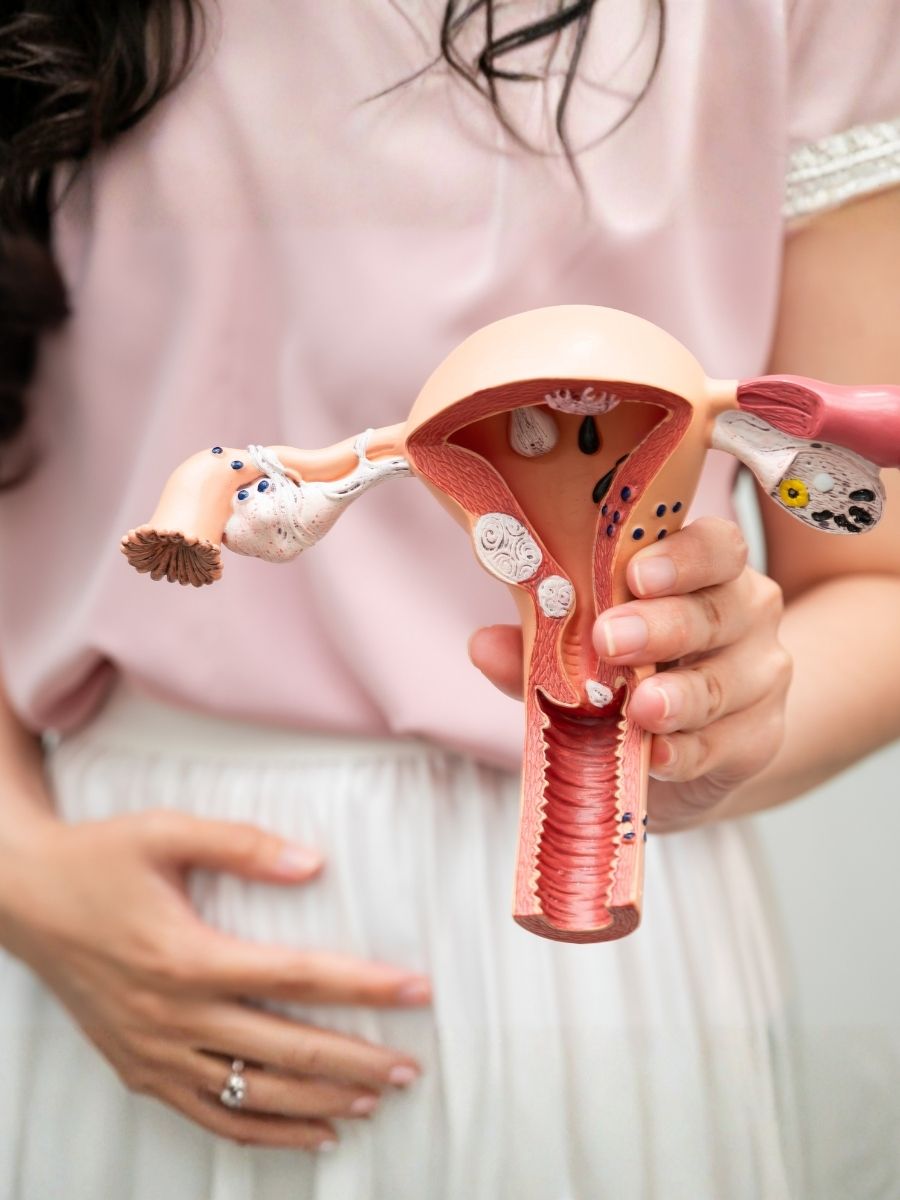
Dr. Ami Surti provides complete health care for women of all age groups. From pregnancy management to infertility diagnosis and advanced treatment options with laparoscopy.
- High-Risk Pregnancy Care: Specialized monitoring and management for pregnancies with complications such as diabetes, hypertension, thyroid disorders, or previous cesarean deliveries.
- Infertility Diagnosis & Treatment: Comprehensive fertility evaluation, ovulation tracking, hormonal assessment, and IUI and IVF guidance.
- Gynecologic Issues: Expert care for PCOS, fibroids, endometriosis, menstrual irregularities, and menopausal concerns with personalized medical management.
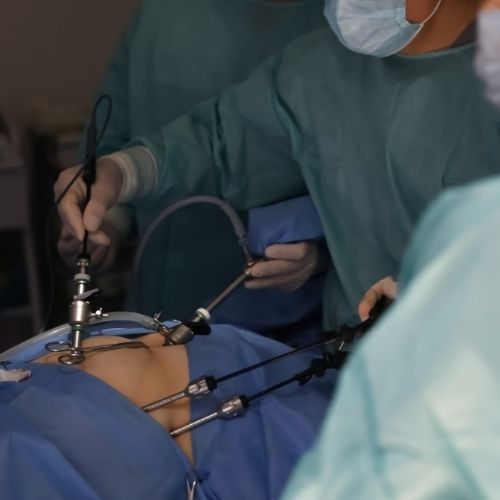
- Laparoscopy & Hysteroscopy: Minimally invasive keyhole surgeries for ovarian cysts, fibroids, endometriosis, infertility, and diagnostic procedures — ensuring faster recovery and minimal discomfort.




- Ante-natal Care
- Normal Delivery
- Caesarean Section
- Cardiotocography (NST & IPM)
- Painless Delivery
- Gynaec Surgery
- Family Planning
- Infertility Management
- Laparoscopic Surgery
- Cu-T Insertion
- Cancer Detection
- Adolescent & Menopause Counseling
- HRT Clinic (Hormone Replacement Therapy)