
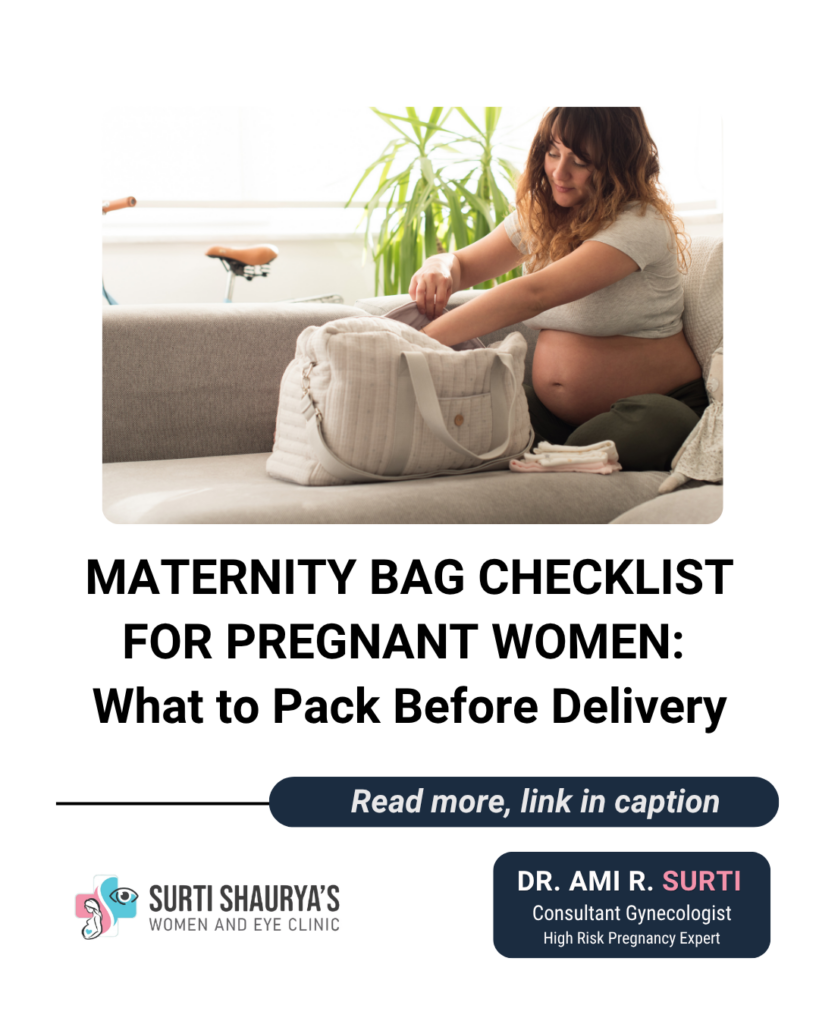
Maternity Bag Checklist for Pregnant Women:
What to Pack Before Delivery:
pregnancy are exciting, emotional, and often unpredictable. While your baby’s due date may be marked on the calendar, nature sometimes has its own plans. Labor can start earlier than expected, which is why every pregnant woman should prepare her maternity hospital bag by 36 to 38 weeks of pregnancy.
Many mothers-to-be realize at the last moment that important documents, baby essentials, or personal care items have been forgotten. Planning ahead can help avoid unnecessary stress during one of the most important moments of your life.
As an obstetrician managing hundreds of deliveries every year, I advise all expectant mothers to keep their maternity hospital bag ready at least two weeks before their expected delivery date.
This detailed checklist will help ensure that you have everything you need for a comfortable hospital stay and a smooth transition into motherhood.
When Should You Pack Your Maternity Bag?
Ideally, your maternity hospital bag should be packed between 36 and 38 weeks of pregnancy.
You may need to pack earlier if:
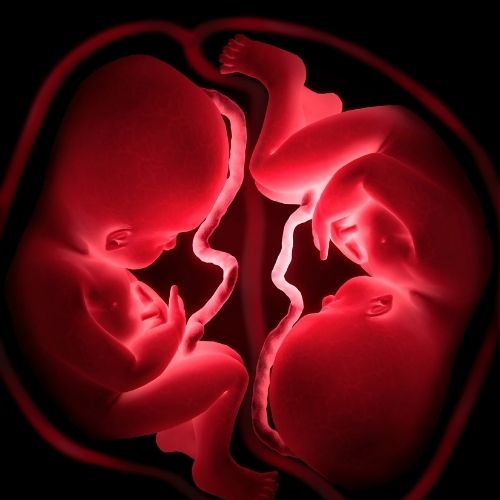
- You are expecting twins or multiple babies.
- You have high-risk pregnancy conditions.
- Your doctor anticipates an early delivery.
- You have a history of preterm labor.
- You live far from the hospital.
Keeping your bag ready beforehand can save valuable time during emergencies.
Essential Documents to Carry
Before packing clothes and baby items, ensure your important documents are easily accessible.
Important Documents Checklist
- Hospital registration papers
- Pregnancy medical file
- Ultrasound reports
- Blood test reports
- Health insurance documents
- Government-issued photo ID
- Cash, debit card, or payment options
- Emergency contact numbers
Keeping these documents in a separate folder can make the admission process faster and smoother.
Maternity Hospital Bag Checklist for Mother
- Comfortable Clothing
Pack loose and comfortable clothing suitable for labor and postpartum recovery.
Include:
- Front-open nightgowns
- Nursing-friendly nightwear
- Comfortable cotton clothes
- Loose maternity dresses
- Extra pair of comfortable clothes for discharge
Choose clothes that make breastfeeding easy and provide comfort during recovery.
- Dressing Gown or Robe
A lightweight robe or dressing gown can help keep you comfortable while walking around the maternity ward or receiving visitors.
- Slippers and Flip-Flops
You may need to walk around during labor or recovery.
Carry:
- Non-slip slippers
- Bathroom flip-flops
- Comfortable footwear for discharge
- Warm Socks
Many women experience cold feet during labor and immediately after delivery.
Carry 2–3 pairs of soft cotton socks.
- Maternity Pads
Post-delivery bleeding (lochia) is normal and may continue for several weeks.
Pack:
- Heavy-flow maternity pads
- At least 10–15 pads initially
Maternity pads are softer and more absorbent than regular sanitary pads.
- Comfortable Underwear
Choose:
- High-waist cotton underwear
- Disposable maternity underwear if preferred
- At least 5–6 pairs
- Nursing Bras
Breastfeeding becomes easier with supportive nursing bras.
Pack:
- 2–3 nursing bras
- Breast pads if required
- Nipple Care Products
During the initial days of breastfeeding, nipples may become sore or cracked.
Useful items include:
- Nipple cream
- Breastfeeding balm
- Soft breast pads
Always consult your doctor before using any product.
- Toiletries and Personal Care Items
Prepare a separate toiletry pouch containing:
- Toothbrush
- Toothpaste
- Face wash
- Soap or body wash
- Shampoo
- Hairbrush
- Hair ties
- Moisturizer
- Lip balm
- Deodorant
- Tissues
- Towels
These small comforts can make your hospital stay much more pleasant.
- Mobile Phone and Charger
Don’t forget:
- Mobile phone
- Charger
- Power bank
- Earphones
You’ll likely use your phone to update family members and capture precious memories.
- Healthy Snacks and Hydration
Labor and recovery can be physically demanding.
Pack:
- Dry fruits
- Biscuits
- Energy bars
- Coconut water
- Electrolyte drinks (if permitted)
Follow your doctor’s instructions regarding eating and drinking during labor.
Maternity Hospital Bag Checklist for Newborn Baby
Your newborn will require several essentials immediately after birth.
- Baby Clothes
Carry:
- Soft cotton newborn clothes
- Front-open baby shirts
- Mittens
- Caps
Ensure all baby clothes are washed and sanitized before use.
- Baby Socks
Newborns lose body heat quickly.
Pack several pairs of soft cotton socks to keep your baby warm.
- Baby Blanket
Carry:
- One lightweight blanket
- One warm blanket (depending on season)
Blankets are useful during skin-to-skin contact and while travelling home.
- Newborn Diapers
Pack:
- 20–30 newborn-sized diapers
Newborn babies may require frequent diaper changes during the first few days.
- Small Bowl and Spoon
In certain situations where breastfeeding is delayed, your pediatrician may recommend temporary supplementary feeding.
A clean spoon and bowl can be helpful if advised by your healthcare provider.
- Baby Toiletries
Carry gentle baby-care products such as:
- Baby soap
- Baby moisturizer
- Baby wipes
- Baby oil (if recommended)
Avoid products containing harsh chemicals or strong fragrances.
Items for Your Birth Partner
If your husband or support person will stay with you, consider packing:
- Comfortable clothing
- Mobile charger
- Water bottle
- Snacks
- Cash for emergencies
- Necessary medications
Having a prepared birth partner can make your labor experience more comfortable.
What Not to Pack in Your Maternity Bag
Avoid bringing unnecessary items such as:
- Expensive jewelry
- Large amounts of cash
- Excessive clothing
- Strong perfumes
- Valuable electronics
Keep your hospital bag practical and organized.
Preparing your maternity bag checklist for pregnant women well before your due date can make your labor and delivery experience much smoother. Being organized allows you to focus on welcoming your baby rather than worrying about forgotten essentials.
Every pregnancy is unique, and your healthcare provider may recommend additional items depending on your medical condition or delivery plan. Discuss your hospital bag preparations during your antenatal visits so you can be fully prepared for the big day.
At our practice in Sion, Mumbai, we guide expectant mothers through every stage of pregnancy, labor, delivery, and postpartum recovery to ensure a safe and comfortable motherhood journey.
1. When should I pack my maternity hospital bag?
Most women should pack their maternity bag between 36 and 38 weeks of pregnancy.
2. How many maternity pads should I carry?
Carry at least 10–15 heavy-flow maternity pads for the first few days after delivery.
3. What clothes should I pack for the baby?
Pack soft cotton newborn clothes, caps, mittens, socks, and blankets.
4. Should I carry baby formula to the hospital?
Most hospitals provide feeding guidance. Always consult your pediatrician before carrying or using baby formula.
5. Do I need separate bags for myself and my baby?
It is not mandatory, but separate bags help keep items organized and easy to access.
6. Can labor start before the due date?
Yes. Labor can begin before the expected delivery date, which is why your maternity bag should be packed in advance.
7. What documents are most important for hospital admission?
Your pregnancy records, hospital file, ID proof, insurance documents, and investigation reports are essential.
8. Is a nursing bra necessary?
Yes. Nursing bras provide comfort and make breastfeeding easier during the postpartum period.
8. Is a nursing bra necessary?
Yes. Nursing bras provide comfort and make breastfeeding easier during the postpartum period.
MBBS, DGO, DNB, MRCOG
Fellowship in Reproductive Medicine
Hight Risk Pregnancy & Fertility Expert
Dr. Ami R. Surti specializes in high-risk pregnancy management, infertility treatments, and Laparoscopy. She is dedicated to guiding women through every stage of life — from adolescence to motherhood — with compassion and advanced medical expertise.

Welcome to Surti Shaurya’s Women & Eye Clinic, a trusted destination in Sion West, Mumbai, for specialized cataract, retina issues, advanced eye surgeries and gynecology, pregnancy care, infertility treatments. Led by Dr Rahul Surti and Dr. Ami R. Surti, the clinic offers compassionate, expert-led care for people of Mumbai.
Contact Details:
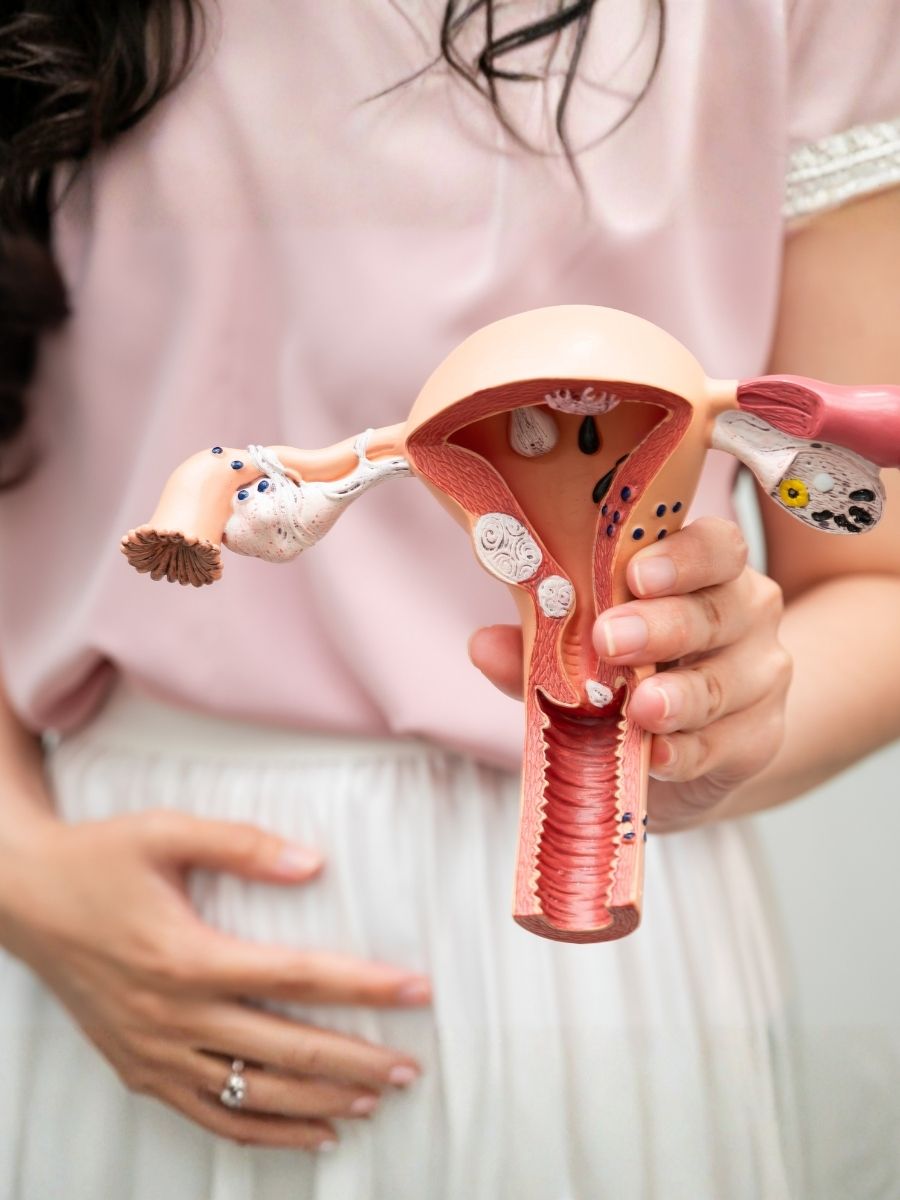
Dr. Ami Surti provides complete health care for women of all age groups. From pregnancy management to infertility diagnosis and advanced treatment options with laparoscopy.
- High-Risk Pregnancy Care: Specialized monitoring and management for pregnancies with complications such as diabetes, hypertension, thyroid disorders, or previous cesarean deliveries.
- Infertility Diagnosis & Treatment: Comprehensive fertility evaluation, ovulation tracking, hormonal assessment, and IUI and IVF guidance.
- Gynecologic Issues: Expert care for PCOS, fibroids, endometriosis, menstrual irregularities, and menopausal concerns with personalized medical management.
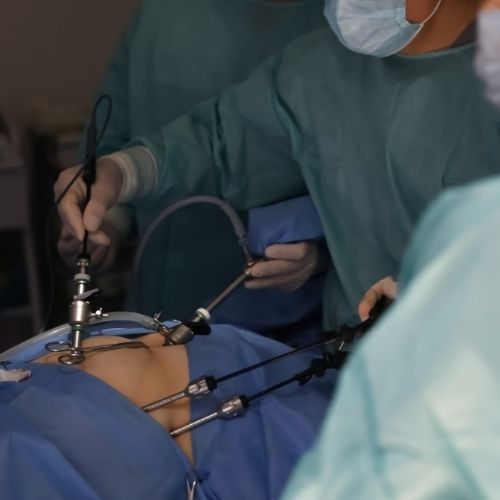
- Laparoscopy & Hysteroscopy: Minimally invasive keyhole surgeries for ovarian cysts, fibroids, endometriosis, infertility, and diagnostic procedures — ensuring faster recovery and minimal discomfort.




- Ante-natal Care
- Normal Delivery
- Caesarean Section
- Cardiotocography (NST & IPM)
- Painless Delivery
- Gynaec Surgery
- Family Planning
- Infertility Management
- Laparoscopic Surgery
- Cu-T Insertion
- Cancer Detection
- Adolescent & Menopause Counseling
- HRT Clinic (Hormone Replacement Therapy)